
Author Archives: Jay Butchko

Portland Intersection Accidents: Who Is Liable When a Signal Is Disputed?
Two drivers, one intersection, and two completely different stories about what color the light was. Sound familiar? Intersection crashes are some of the most common accidents in Portland, and they are also some of the most frequently disputed, precisely because the entire case can hinge on a few seconds nobody agrees on. What Oregon… Read More »

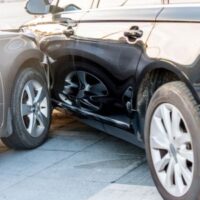
What Happens to Your Car Accident Claim If the Other Driver Was Uninsured in Oregon?
The crash was clearly not your fault, but the driver who hit you has no insurance at all. Does that mean your claim just evaporates along with any hope of compensation? So long as you yourself had an active Oregon auto insurance policy, the answer is no. This is because Oregon lawmakers anticipated exactly… Read More »

Understanding Traumatic Brain Injury Grades and Their Impact on Your Oregon Personal Injury Claim
An ER doctor mentions a “mild” traumatic brain injury after a crash, and it’s tempting to walk out relieved. But a “mild” diagnosis can be misleading. In the world of brain injuries, that word carries a very specific medical meaning, and it doesn’t always reflect how much the injury will actually disrupt a life… Read More »
Spinal Cord Injuries After a Portland Car Accident: Long-Term Costs and Compensation
A spinal cord injury doesn’t resolve the way a broken arm does. There’s no cast that comes off in six weeks, no clear finish line where recovery is complete. For many Portland car accident victims, a spinal cord injury marks the beginning of a lifetime of medical care, adaptive equipment, and expenses most people… Read More »

Documenting a Phantom Car Accident
Phantom accidents increase in the winter months. With snow and ice on the road, some drivers will skid uncontrollably into your lane, before quickly straightening out. However, you might have jerked on the wheel to prevent a collision only to slide off the road yourself and roll over in a ditch or crash into… Read More »

What is the Main Distraction for Truck Drivers?
Distracted trucking is a major threat to public safety. Tractor-trailers and other large trucks can destroy smaller vehicles and cause fatal injuries whenever they collide. Anyone injured in a jackknife, override, or lane change accident can suffer horrifying brain damage, fractures, and amputations. More than 1,000 people are killed each year in fatal truck… Read More »
Don’t Ever Rely on AI to Handle Your Personal Injury Case
Artificial intelligence like ChatGPT has revolutionized how people search the internet. Media stories claim that AI will eventually make all of us unemployed, because the technology can perform most of the tasks that professionals do on a daily basis. Increasingly, many people are using Chat and other AI programs to handle their own personal… Read More »

Did a Scooter Crash Into You on the Sidewalk?
E-scooters are a popular method of transportation, especially for younger people who do not want to own a car in Portland. However, scooters can be a real danger to the public. Too many riders travel on the sidewalk, which is already congested enough with pedestrians. A scooter can easily crash into unwary pedestrians and… Read More »

What is a Facet Joint Injury?
Facet joints are critical to maintaining spinal stability. These small joints connect the vertebrae to each other and allow for seamless bending or twisting of the back. These tiny joints hook the vertebrae to one another and are lined with cartilage to ensure pain free movement. Any traumatic accident could damage the facet joints… Read More »
Should You Settle Your Personal Injury Claim or Go to Trial?
Many accident victims assume their personal injury case will go to trial and are surprised to find out that fewer than 1% ever get that far. Our firm can usually settle cases for a fair, meaningful amount of compensation with the defendant or their insurance company. Nonetheless, going to trial remains a possibility, and… Read More »